

Moving into a new apartment in Winchester is an exciting step, but there are a few financial details to understand before you settle in. One of the most common questions renters have is about the security deposit: what does it cover, how much should you expect to pay, and what can you do to make sure you get it back?
Understanding how security deposits work and taking a few simple steps throughout your lease can help protect your deposit and make the move-out process much easier.
In This Article:
- Understanding Your Security Deposit
- What Determines Your Security Deposit?
- What Can Be Deducted From Your Deposit?
- Document Your Apartment at Move-In
- Keep Your Apartment in Good Condition
- Preparing for a Smooth Move-Out
- Find Your New Home in Winchester
Understanding Your Security Deposit
A security deposit is a payment made before moving into a rental home that helps protect the property against certain costs that may arise during or at the end of a lease. Depending on the circumstances, this may include damage beyond normal wear and tear, unpaid rent or fees, or additional cleaning.
Because the deposit is generally refundable, taking care of your apartment throughout your lease can help you avoid unnecessary deductions when it’s time to move.
What Determines Your Security Deposit?

Security deposit amounts can vary from one rental community to another. The amount you pay may depend on factors such as:
- Rental policies and applicable regulations: Deposit requirements can vary depending on the property and local or state requirements.
- Rental history and credit: Some properties may consider an applicant’s rental and credit history when determining deposit requirements.
- Apartment and lease details: The type of apartment and terms of the lease may affect the amount required.
- Pet policies: Some communities may have additional deposits or fees for residents with pets.
Before signing your lease, make sure you understand the amount of your security deposit, what it covers, and the conditions for receiving it back.
What Can Be Deducted From Your Deposit?
Normal wear and tear is expected in a rental home, but certain costs may be deducted from a security deposit when you move out. Common examples include:
- Damage beyond normal wear and tear: Significant wall damage, broken fixtures, damaged appliances, or stained flooring may require repairs.
- Excessive cleaning: Heavy buildup, significant messes, or pet-related odors may require additional cleaning.
- Unpaid balances: Outstanding rent, fees, or other charges may be deducted when applicable.
- Items left behind: Furniture, trash, or other belongings that require removal may result in additional costs.
Document Your Apartment at Move-In
One of the easiest ways to protect yourself is to document the condition of your apartment before you unpack. A few minutes spent recording the space can provide a useful reference when it’s time to move out.
- Take photos and videos: Record each room, including floors, walls, appliances, fixtures, and other notable features.
- Record existing damage: Make note of scratches, scuffs, stains, or other issues that were already present.
- Complete your move-in checklist: Document the condition of the apartment and provide the information to your leasing team as requested.
- Keep your records: Save your photos, videos, and documentation somewhere you can access them throughout your lease.
Having a record of the apartment’s original condition can help prevent confusion about pre-existing issues when you eventually move out.
Keep Your Apartment in Good Condition
Regular upkeep can make a big difference when it’s time to prepare your apartment for move-out. Simple habits throughout your lease can help keep your home looking its best.
- Clean regularly: Keep kitchens, bathrooms, floors, and other frequently used areas clean and free of buildup.
- Report maintenance issues: Let your property management team know about problems before they become more serious.
- Take care of your pets: Clean up after pets and take steps to prevent damage to floors, doors, and other surfaces.
- Follow apartment guidelines: Use appropriate hardware when hanging items and avoid unauthorized alterations to the apartment.
Preparing for a Smooth Move-Out
As your lease comes to an end, give yourself enough time to prepare the apartment before turning in your keys. A thorough final walkthrough can help you catch small issues before you leave.
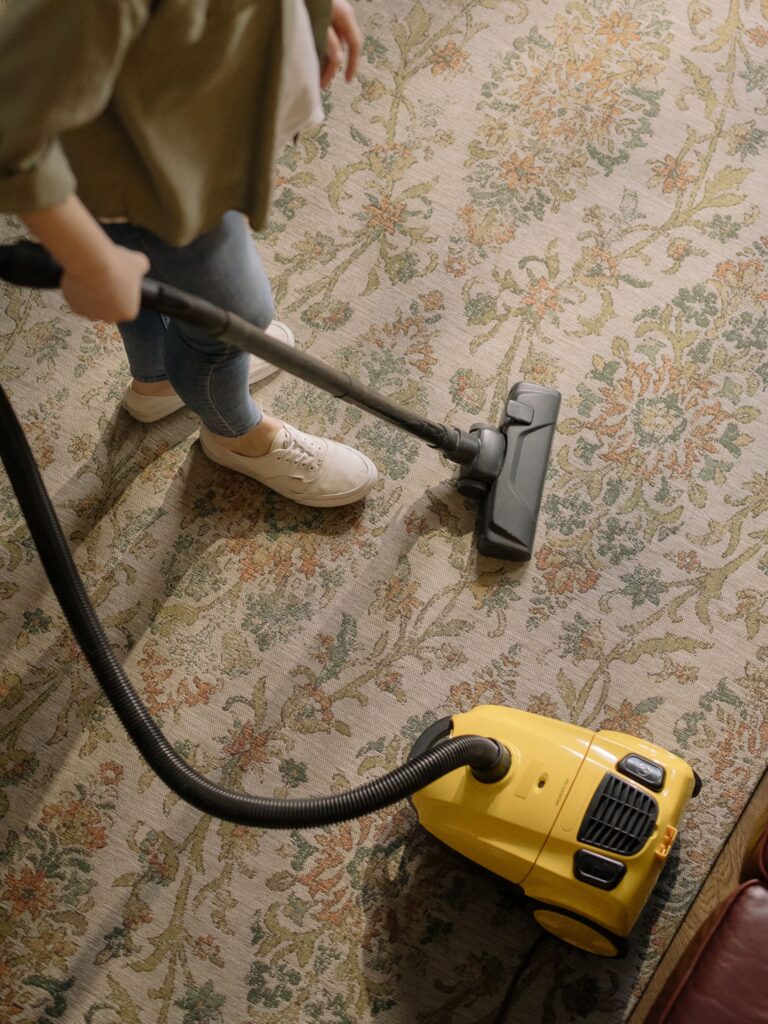
- Clean the apartment: Pay particular attention to kitchens, bathrooms, floors, and other high-traffic areas.
- Take care of minor issues: Address small items such as removing approved hanging hardware or replacing burned-out light bulbs, as appropriate under your lease.
- Remove your belongings: Make sure furniture, trash, decorations, and personal items are taken with you.
- Complete a move-out walkthrough: If available, take the opportunity to review the apartment with your leasing or property management team.
- Provide a forwarding address: Make sure your property management team has the information needed to send your deposit or other move-out correspondence.
Taking a little extra time before moving out can make the transition easier and help ensure you leave your apartment in the condition expected by your lease.
Find Your New Home in Winchester
Finding a new apartment should be an exciting experience, and understanding the rental process can help you feel more confident from move-in through move-out. At The Reserve at Winchester, you can explore thoughtfully designed apartments and a community built around comfortable, convenient living.
Whether you’re preparing for your first apartment or looking for your next home in Winchester, take a look at the available floor plans, amenities, and community features to find the space that fits your lifestyle.
Ready to learn more? Explore The Reserve at Winchester and discover your next home.


(540)409-2000